Laparoscopic Bariatric Surgery

LaparoscopicSpecialist surgeons onlyCashless insuranceFree follow-ups
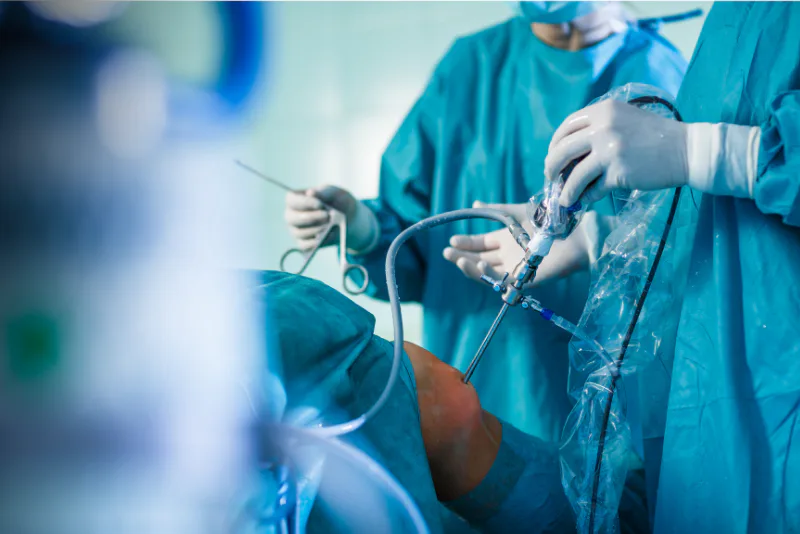
Laparoscopic bariatric surgery in an operating theatre
Bariatric Surgery - specialist-led treatment at Axten

Obesity is a chronic medical disease in which excess body fat accumulates to a level that harms health. In India, it is generally diagnosed when the body mass index (BMI) crosses 27.5-30 kg/m². Obesity is not a matter of willpower alone - genetics, hormones, medications and metabolic set-points all drive it - and it fuels type 2 diabetes, high blood pressure, sleep apnoea, fatty liver, joint damage and infertility.

Bariatric (weight-loss) surgery is the most effective and durable treatment for severe obesity. By reducing stomach size and modifying gut hormones, it lowers hunger, creates early fullness and resets metabolism. Patients typically lose 25-35% of their total body weight within 12-18 months, and most see dramatic improvement - often complete remission - of type 2 diabetes, blood pressure and sleep apnoea.

At Axten Hospitals, bariatric surgery is performed laparoscopically (keyhole) by specialist bariatric surgeons, supported by dietitians, physicians and a dedicated care coordinator. You receive one honest, all-inclusive package price with zero surprise billing, cashless insurance assistance - bariatric surgery is IRDAI-recognised for eligible patients - 0% EMI options, and free structured follow-ups throughout your weight-loss journey.

Honest all-inclusive price₹2,80,000 - ₹5,50,000 (all-inclusive, varies by procedure type & city)See full cost breakdown

Consult for Bariatric Surgery

Share your details - a care coordinator calls you back within minutes.

Country code +91 selected.

100% confidential · No spam · Honest all-inclusive quotes

Symptoms of Obesity

  • BMI above 32.5-37.5 kg/m², especially with weight-related illness
  • Type 2 diabetes or high blood pressure that is difficult to control
  • Loud snoring, choking at night or daytime sleepiness (sleep apnoea)
  • Knee, hip or back pain worsened by excess weight
  • Breathlessness on climbing stairs or walking short distances
  • Repeated failure of diets, gyms and medications to sustain weight loss
  • PCOS, infertility or fatty liver linked to obesity

Risks of delaying treatment

  • Every added year of severe obesity worsens diabetes, blood pressure and fatty liver - and organ damage may become irreversible
  • Untreated sleep apnoea strains the heart and raises the risk of heart attack and stroke
  • Progressive knee and spine damage from excess load may eventually need joint replacement
  • Rising weight increases anaesthesia and surgical risk later, and lowers the chance of complete diabetes remission

How is obesity diagnosed?

Evaluation for bariatric surgery is thorough. Your team calculates BMI and body composition, screens for diabetes, thyroid disorders, vitamin deficiencies and hormonal causes of weight gain, and assesses obesity-related conditions with blood tests, ECG, echocardiography, sleep study when indicated, and an ultrasound of the abdomen. An upper GI endoscopy checks the stomach before surgery.

Indian and international guidelines recommend surgery for BMI ≥37.5 kg/m² (Asian criteria), or ≥32.5 kg/m² with conditions like diabetes, hypertension or sleep apnoea. A dietitian consultation and psychological readiness assessment complete the work-up, ensuring surgery is chosen for the right reasons and you are prepared for the lifestyle change that makes results last.

Benefits of laparoscopic treatment

  • Loss of 25-35% of total body weight, maintained long term
  • High rates of type 2 diabetes remission, often within months
  • Improvement or resolution of blood pressure, sleep apnoea and fatty liver
  • Keyhole surgery - tiny cuts, less pain, 2-3 day hospital stay
  • Reduced joint pain, better mobility, energy and quality of life
  • Proven reduction in long-term heart disease and mortality risk

Types of bariatric surgery

Non-surgical options

  • Medical weight management - supervised diet, exercise and behavioural therapy; effective for milder obesity but weight regain is common.
  • Anti-obesity medications - newer GLP-1 based injections aid weight loss but require ongoing use and suit selected patients.
  • Intragastric balloon (e.g. Spatz) - a temporary stomach balloon placed by endoscopy, useful for moderate weight loss without surgery.

Surgical & procedural options

  • Laparoscopic sleeve gastrectomy - about 75-80% of the stomach is removed, creating a slim tube; the most performed bariatric operation.
  • Roux-en-Y gastric bypass - a small stomach pouch is joined to the intestine, powerful for diabetes remission and reflux control.
  • Mini gastric bypass (OAGB) - a simpler single-join bypass with excellent weight loss and metabolic results.
  • Revisional bariatric surgery - corrective surgery for weight regain or complications after a previous bariatric procedure.
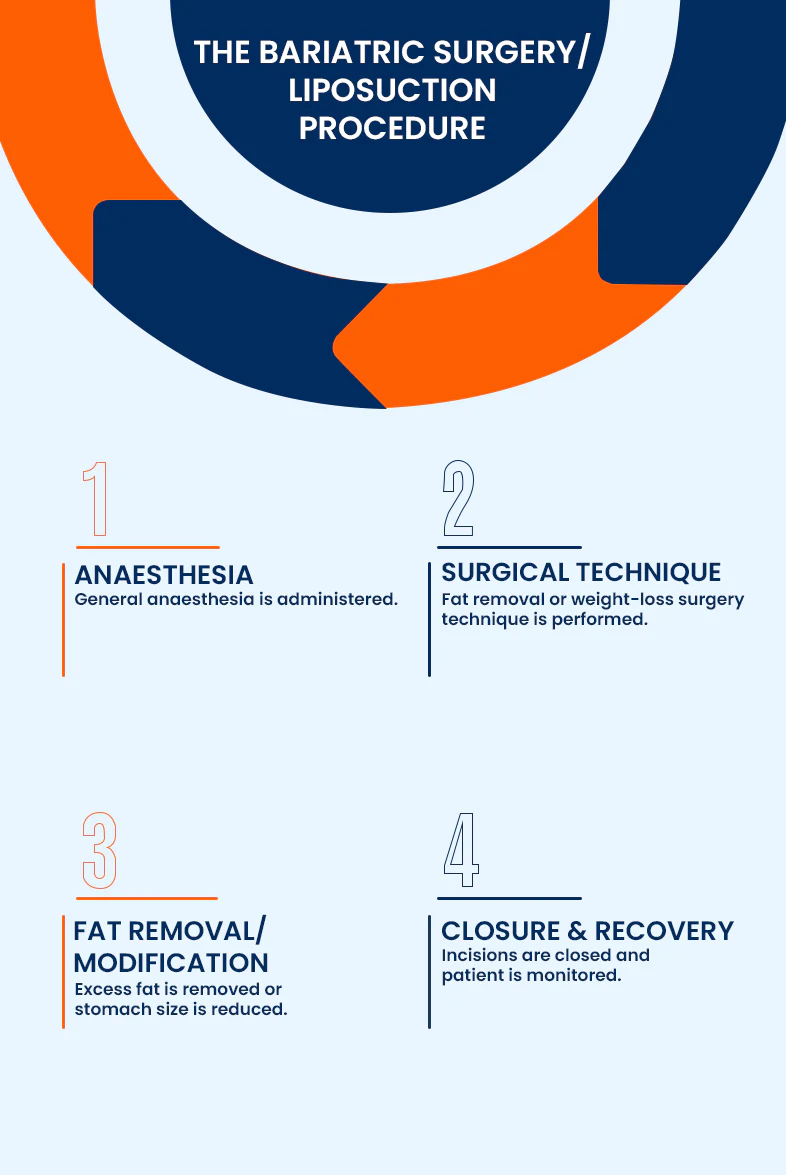
Bariatric surgery procedure overview
How bariatric surgery is performed

How the procedure is performed

Bariatric surgery at Axten is performed laparoscopically under general anaesthesia through 4-5 tiny (0.5-1.2 cm) incisions. In a sleeve gastrectomy, the surgeon divides the stomach vertically using advanced stapling devices, removing about three-quarters of it - including most of the hunger-hormone (ghrelin) producing portion - and leaving a slender, banana-shaped tube.

In a gastric bypass, a small egg-sized pouch is created from the upper stomach and connected directly to a loop of small intestine, so food bypasses most of the stomach and upper intestine. This both restricts intake and triggers powerful hormonal changes that improve blood sugar control, often before significant weight is lost.

The operation takes about 1.5-3 hours. Staple lines are checked for leaks before closing. Most patients walk the same evening, start sips of clear liquids the next day after a check, and go home in 2-3 days with a structured, dietitian-guided diet plan that progresses from liquids to soft foods to regular meals over about six weeks.

Recovery & aftercare

  • Walk within hours of surgery and climb stairs comfortably before discharge on day 2-3
  • Follow the staged diet strictly - liquids for 2 weeks, purees for 2 weeks, then soft to normal food by week 6
  • Take prescribed multivitamins, calcium, iron and B12 lifelong as advised to prevent deficiencies
  • Sip fluids frequently through the day; eat slowly, chew well and stop at the first sign of fullness
  • Resume desk work in 7-10 days and exercise progressively from week 3 onwards
  • Attend Axten's free structured follow-ups with the surgeon and dietitian to track weight, labs and habits
Recovery and aftercare following bariatric surgery
Recovery after bariatric surgery

Why Axten

Care that doesn't stop at the operating table

Every bariatric surgery package includes your surgeon's fee, OT and anaesthesia charges, hospital stay, standard medicines and post-procedure follow-ups - quoted once, in writing, before you decide.

  1. Talk with our experts

    Share your reports on a free call. A specialist reviews your case the same day.

  2. Honest fixed quote

    Receive one all-inclusive package price in writing - before you commit to anything.

  3. Insurance & paperwork

    Our insurance desk secures cashless approval and completes every formality.

  4. Your procedure

    A senior specialist operates at a partner hospital near you, on your scheduled date.

  5. Recovery & follow-ups

    Free follow-up consultations and recovery monitoring until you are fully healed.

The Axten standard

Why patients choose Axten for bariatric surgery

For bariatric surgery, Axten focuses on the parts patients usually find stressful: confirming the right specialist, explaining the procedure clearly, locking the package price in writing and keeping recovery follow-ups organised.

NABHstandard partner hospitals
100%written package quotes
24x7care helpline access

Senior surgeon review

Your case is reviewed for clinical fit before a date or package is suggested.
One written package

Surgeon, OT, anaesthesia, stay, standard medicines and follow-ups are itemised upfront.

Insurance handled early

Cashless eligibility, TPA paperwork and EMI options are checked before admission.

Coordinator-led recovery

A care coordinator keeps follow-ups, reports and recovery instructions organised.

FAQs about bariatric surgery

Who is eligible for bariatric surgery in India?

Under Asian guidelines, surgery is recommended for a BMI of 37.5 kg/m² or above, or 32.5 kg/m² and above with obesity-related conditions such as type 2 diabetes, hypertension or sleep apnoea, in adults who have not sustained weight loss with diet and medication. A full evaluation at Axten confirms eligibility and which procedure suits you best.

How much weight will I lose after bariatric surgery?

Most patients lose 25-35% of their total body weight - for example, a 120 kg person typically reaches around 80-90 kg. Weight falls fastest in the first six months and stabilises by 12-18 months. Long-term success depends on following the diet plan, staying active and attending follow-ups, which Axten provides free.

Can bariatric surgery cure my type 2 diabetes?

Bariatric surgery is the most powerful treatment available for type 2 diabetes in people with obesity. A majority of patients achieve remission - normal blood sugar without medication - often within weeks of a gastric bypass, especially when diabetes is of shorter duration. Even those not in full remission usually need far fewer medicines.

Is bariatric surgery safe?

In experienced hands, laparoscopic bariatric surgery is very safe - overall risk is comparable to common operations like gallbladder removal. Axten uses specialist bariatric surgeons, modern stapling technology, intra-operative leak testing and enhanced-recovery protocols. The real-world risk of staying severely obese is considerably higher than the risk of the surgery itself.

Is bariatric surgery covered by health insurance?

Yes. Since IRDAI's 2019 guidelines, health insurers in India must cover bariatric surgery when it is medically indicated - typically BMI 40+, or 35+ with comorbidities, as per policy terms. Axten's insurance desk checks your policy honestly, arranges cashless approval where eligible, and offers 0% EMI if your plan does not cover it.

Will I ever be able to eat normal food again?

Yes. After the six-week staged diet, you return to regular home-cooked food - dal, roti, rice, vegetables, curd and non-veg - just in much smaller, satisfying portions. Most patients eat comfortably at restaurants and family functions. Fizzy drinks, constant snacking and very sugary foods are best minimised for lasting results.

What is the difference between sleeve gastrectomy and gastric bypass?

A sleeve removes about 75-80% of the stomach, reducing capacity and hunger hormones - it is simpler and the most common choice. A bypass creates a small pouch and reroutes the intestine, giving stronger diabetes remission and better reflux control, but needs stricter supplementation. Your Axten surgeon recommends the right one after full evaluation.

What if I am not ready for surgery - are there alternatives?

Yes. For moderate obesity or patients hesitant about surgery, options include structured medical weight-loss programmes, newer weight-loss injections, and the Spatz intragastric balloon - an adjustable balloon placed in the stomach by endoscopy, without any cuts. Axten offers all these pathways, so you can choose what fits your health and comfort.

Ready to discuss bariatric surgery?

Free specialist consultation and an honest all-inclusive quote - no obligation.