Laparoscopic Complete Uterus Removal (Total Hysterectomy)

LaparoscopicSpecialist surgeons onlyCashless insuranceFree follow-ups
Illustration explaining complete uterus removal
Complete Uterus Removal (Total Hysterectomy) - specialist-led treatment at Axten

A total hysterectomy is the removal of the entire uterus along with the cervix (the mouth of the womb). It differs from a subtotal hysterectomy, where the cervix is left behind. Removing the cervix eliminates the future risk of cervical problems, including cervical cancer, and is the preferred choice when there is cervical disease, precancerous change or persistent abnormal bleeding involving the cervix.

Performed laparoscopically at Axten Hospitals, the entire operation is completed through three or four keyhole incisions of 5-10 mm. High-definition cameras and fine energy instruments allow specialist gynaec surgeons to work with great precision, resulting in minimal blood loss, little pain, a hospital stay of one to two days and a quick return to normal life.

As with every Axten surgery, you receive one honest all-inclusive price with zero surprise billing, support for cashless insurance and 0% EMI, a dedicated care coordinator and free post-surgery follow-ups. The removed tissue is always sent for histopathology, and the report is explained to you personally at review.

Honest all-inclusive price₹90,000 - ₹1,60,000 (all-inclusive, varies by uterus size, add-on procedures & city)See full cost breakdown

Consult for Complete Uterus Removal (Total Hysterectomy)

Share your details - a care coordinator calls you back within minutes.

Country code +91 selected.

100% confidential · No spam · Honest all-inclusive quotes

Symptoms of Uterine & Cervical Disorders

  • Heavy, prolonged or irregular menstrual bleeding unresponsive to medicines
  • Persistent pelvic or lower back pain
  • Bleeding after intercourse or between periods
  • Abnormal Pap smear showing precancerous cervical changes
  • Postmenopausal bleeding
  • Pressure symptoms - frequent urination, bloating or constipation
  • Chronic foul-smelling vaginal discharge not settling with treatment

Risks of delaying treatment

  • Untreated precancerous cervical changes can progress silently to invasive cervical cancer
  • Ongoing heavy bleeding leads to severe anaemia, transfusions and declining quality of life
  • Growing fibroids or adenomyosis enlarge the uterus, increasing surgical difficulty and complication risk
  • Persistent infection or discharge from a diseased cervix can spread upwards to tubes and pelvis
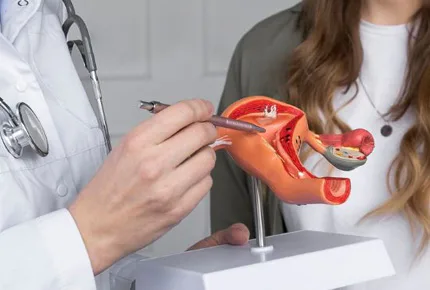
Gynaecologist explaining the uterus during a hysterectomy consultation
Understanding uterine & cervical disorders

How is uterine & cervical disorders diagnosed?

Evaluation starts with a pelvic examination, Pap smear and transvaginal ultrasound to assess the uterus, cervix, endometrial thickness and ovaries. Abnormal smears are followed by colposcopy and cervical biopsy, while unexplained bleeding may need an endometrial biopsy or diagnostic hysteroscopy to examine the cavity directly.

Blood investigations, ECG and anaesthetic fitness checks complete the pre-operative work-up. In complex situations - very large fibroids, suspected adenomyosis or previous multiple surgeries - an MRI helps the surgical team plan a safe laparoscopic approach and discuss realistic expectations with you.

Benefits of laparoscopic treatment

  • Removes uterus and cervix together, ending bleeding problems permanently
  • Eliminates future risk of cervical cancer and the need for Pap smears in most cases
  • Keyhole approach means minimal pain, tiny scars and low infection risk
  • Hospital discharge usually within 48 hours of surgery
  • Ovaries can be preserved to maintain natural hormone balance
  • Definitive single treatment - no repeated procedures or lifelong medication

Types of complete uterus removal (total hysterectomy)

Non-surgical options

  • Hormonal therapy - tablets or hormone-releasing IUD to control abnormal bleeding when surgery can be deferred.
  • Colposcopy-guided treatment - freezing or LEEP removal of early cervical lesions in selected young patients.

Surgical & procedural options

  • Total laparoscopic hysterectomy (TLH) - uterus and cervix removed entirely through keyhole incisions; the standard modern approach.
  • Total hysterectomy with bilateral salpingectomy - the fallopian tubes are removed alongside to reduce future ovarian cancer risk.
  • Total hysterectomy with salpingo-oophorectomy - tubes and ovaries are also removed when they are diseased or after menopause.
  • Total abdominal hysterectomy (open) - used for very large uteri or suspected malignancy needing wider access.

How the procedure is performed

Under general anaesthesia, the abdomen is inflated with carbon-dioxide gas and a laparoscope is inserted through a small cut at the navel. Two or three additional 5 mm ports allow slim instruments to reach the pelvis, and a uterine manipulator positions the uterus for safe dissection.

The surgeon seals and divides the uterine blood vessels and supporting ligaments with advanced energy devices, carefully protecting the ureters, bladder and bowel. The cervix is then detached from the top of the vagina so that the uterus and cervix come out as one complete specimen, usually through the vagina.

The vaginal vault is closed securely with dissolvable sutures, the pelvis is inspected and washed, and the gas is released. Total operating time is around 1.5 to 2.5 hours. Most patients drink fluids within hours, walk the same evening and are discharged within one to two days.

Recovery & aftercare

  • Begin gentle walking on the day of surgery and increase it daily
  • Mild spotting for up to two weeks is normal; heavy bleeding is not - report it
  • Do not lift more than 5 kg or do abdominal exercise for six weeks
  • Prevent constipation with fluids, fruit and fibre; do not strain
  • Avoid intercourse, swimming and tub baths for six weeks until the vaginal vault heals
  • Use your free Axten follow-ups for suture review, histopathology discussion and clearance to resume routine

Why Axten

Care that doesn't stop at the operating table

Every complete uterus removal (total hysterectomy) package includes your surgeon's fee, OT and anaesthesia charges, hospital stay, standard medicines and post-procedure follow-ups - quoted once, in writing, before you decide.

  1. Talk with our experts

    Share your reports on a free call. A specialist reviews your case the same day.

  2. Honest fixed quote

    Receive one all-inclusive package price in writing - before you commit to anything.

  3. Insurance & paperwork

    Our insurance desk secures cashless approval and completes every formality.

  4. Your procedure

    A senior specialist operates at a partner hospital near you, on your scheduled date.

  5. Recovery & follow-ups

    Free follow-up consultations and recovery monitoring until you are fully healed.

The Axten standard

Why patients choose Axten for complete uterus removal (total hysterectomy)

For complete uterus removal (total hysterectomy), Axten focuses on the parts patients usually find stressful: confirming the right specialist, explaining the procedure clearly, locking the package price in writing and keeping recovery follow-ups organised.

NABHstandard partner hospitals
100%written package quotes
24x7care helpline access

Senior surgeon review

Your case is reviewed for clinical fit before a date or package is suggested.
One written package

Surgeon, OT, anaesthesia, stay, standard medicines and follow-ups are itemised upfront.

Insurance handled early

Cashless eligibility, TPA paperwork and EMI options are checked before admission.

Coordinator-led recovery

A care coordinator keeps follow-ups, reports and recovery instructions organised.

FAQs about complete uterus removal (total hysterectomy)

What is the difference between total and subtotal hysterectomy?

In a total hysterectomy both the uterus and cervix are removed; in a subtotal hysterectomy the cervix is retained. Total hysterectomy is preferred when the cervix shows disease or precancerous change, and it removes future cervical cancer risk. Your surgeon recommends the option that best matches your reports and priorities.

Will I still need Pap smears after total hysterectomy?

If your hysterectomy was done for benign (non-cancerous) reasons and the cervix was completely removed, routine Pap smears are generally no longer needed. If precancerous cells or cancer were present, periodic vault smears are advised for some years. Your follow-up plan is clearly written out at discharge.

Should my ovaries be removed at the same time?

Not necessarily. Healthy ovaries are usually preserved before menopause so your hormones remain natural. Removal is considered if the ovaries are diseased, after menopause, or when there is a strong family history of ovarian or breast cancer. Many surgeons remove only the fallopian tubes to lower cancer risk safely.

How soon can I get back to household work?

Light activities like walking, cooking and desk work are comfortable within two to three weeks after laparoscopic total hysterectomy. Heavier chores, lifting buckets, mopping and exercise should wait about six weeks so the internal stitches heal fully. Recovery milestones are checked at your free follow-up visits.

Is total laparoscopic hysterectomy painful?

Pain is remarkably low compared with open surgery. Most patients describe mild soreness at the keyhole sites and slight shoulder discomfort from the gas, both settling within a few days with simple painkillers. The absence of a long abdominal cut is the main reason recovery feels so much easier.

What does the Axten package price include?

Your written quote covers surgeon, anaesthetist and theatre charges, laparoscopic consumables and energy devices, room stay, in-hospital medicines, histopathology of the specimen and scheduled free follow-ups. Zero surprise billing is our promise. Cashless insurance processing and 0% EMI plans are arranged by your care coordinator - call 8156-92-92-92.

Can total hysterectomy be done if I have had previous caesareans?

Yes. Previous caesarean scars can cause the bladder to stick to the uterus, but experienced laparoscopic surgeons dissect these adhesions safely every day. Inform your surgeon about all previous operations so the team plans the approach carefully. In rare, very dense adhesions, conversion to open surgery keeps you safe.

Ready to discuss complete uterus removal (total hysterectomy)?

Free specialist consultation and an honest all-inclusive quote - no obligation.