
Advanced Oral Cancer Treatment

AdvancedSpecialist surgeons onlyCashless insuranceFree follow-ups
Oral cancer treatment consultation
Oral Cancer Treatment - specialist-led treatment at Axten

Oral cancer is a cancer that develops in the mouth - on the tongue, cheek lining, gums, lips, floor of the mouth or palate. It is one of the most common cancers in India, closely linked to tobacco chewing, smoking, gutkha, areca nut (supari) and heavy alcohol use. The encouraging news is that the mouth is easy to examine, so oral cancer can be caught early - and early oral cancer is very often curable.

The typical warning sign is an ulcer, patch or growth in the mouth that does not heal within two to three weeks. Many patients ignore these changes for months, assuming they are ordinary ulcers or denture irritation. A simple examination and biopsy can settle the question quickly - and acting early keeps treatment simpler, shorter and far more effective.

At Axten Hospitals, oral cancer is treated by specialist head-and-neck onco-surgeons working with medical and radiation oncologists as one team. From biopsy to surgery, reconstruction and rehabilitation, you get a clear plan, one honest all-inclusive price, cashless insurance support and a dedicated care coordinator - with zero surprise billing at any stage.

Honest all-inclusive price₹1,50,000 - ₹4,00,000 (all-inclusive, varies by stage, reconstruction needs & city)See full cost breakdown

Consult for Oral Cancer Treatment

Share your details - a care coordinator calls you back within minutes.

Country code +91 selected.

100% confidential · No spam · Honest all-inclusive quotes

Symptoms of Oral Cancer

  • A mouth ulcer or sore that does not heal within 2-3 weeks
  • A white or red patch on the tongue, gums or cheek lining
  • A lump, thickening or roughened area inside the mouth
  • Persistent pain in the mouth or ear on one side
  • Difficulty or pain while chewing, swallowing or moving the tongue
  • Loose teeth or dentures that suddenly stop fitting well
  • A swelling or lump in the neck

Risks of delaying treatment

  • A small ulcer that needed minor surgery can deepen into muscle and bone, requiring major surgery
  • Cancer can spread to the neck lymph nodes and beyond, reducing the chance of complete cure
  • Advanced tumours often need jaw removal and complex reconstruction that early treatment avoids
  • Pain, difficulty eating and weight loss worsen steadily, making the body weaker before treatment

How is oral cancer diagnosed?

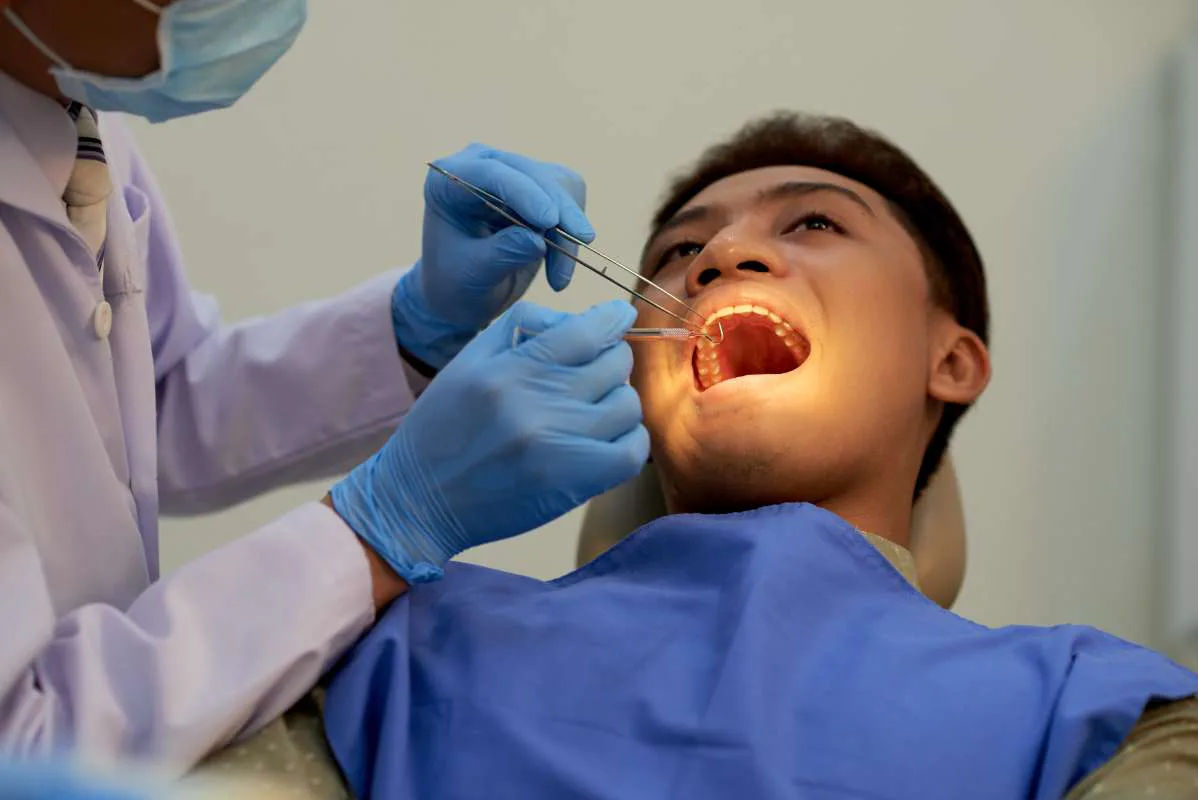
Diagnosis starts with a thorough examination of the mouth and neck by a head-and-neck specialist. Any suspicious ulcer or patch is confirmed with a small biopsy taken under local anaesthesia - a quick, near-painless outpatient procedure. The biopsy tells us definitively whether cancer is present and what type it is.

If cancer is confirmed, imaging such as a CT scan, MRI or PET-CT maps the exact size and depth of the tumour and checks the neck lymph nodes and the rest of the body. Dental evaluation is also done before treatment. At Axten, this entire work-up is coordinated for you, usually within a few days, and every finding is explained in plain, unhurried language.

Benefits of advanced treatment

  • Early-stage oral cancers are frequently cured with a single, well-planned operation
  • Modern reconstruction preserves the ability to speak, chew and swallow naturally
  • Neck dissection techniques remove at-risk nodes while protecting nerves and shoulder function
  • Team-based planning combines surgery, radiation and chemotherapy only where truly needed
  • Faster recovery with dedicated speech and swallowing rehabilitation support
  • Honest all-inclusive pricing with cashless insurance and 0% EMI options

Types of oral cancer treatment

Non-surgical options

  • Radiation therapy - precisely targeted radiation used as the main treatment for some early tumours or after surgery to prevent recurrence.
  • Chemotherapy - medicines used alongside radiation, or before surgery in selected advanced cases.
  • Targeted therapy and immunotherapy - newer drug options for selected advanced or recurrent oral cancers.

Surgical & procedural options

  • Wide local excision - removal of the tumour with a safe margin of healthy tissue, sufficient for many early cancers.
  • Glossectomy (partial) - removal of the affected portion of the tongue while preserving speech and swallowing as much as possible.
  • Marginal or segmental mandibulectomy - removal of a rim or segment of the jawbone when the tumour lies close to or involves it.
  • Neck dissection - removal of lymph nodes in the neck that contain, or are at risk of containing, cancer cells.
  • Reconstructive (flap) surgery - rebuilding the removed area using tissue from the arm, leg or chest so the mouth works and looks natural.
Oral cancer treatment procedure illustration
How oral cancer treatment is performed

How the procedure is performed

Oral cancer surgery is done under general anaesthesia. The surgeon removes the tumour along with a margin of healthy tissue, which is checked during surgery to make sure removal is complete. If the neck nodes are involved or at risk, a neck dissection is done through a neat neck crease incision in the same sitting.

When a larger area must be removed, plastic and reconstructive surgeons rebuild it immediately using a flap - living tissue taken from the forearm, thigh or chest - so that speech, chewing and appearance are preserved as much as possible. Depending on its extent, the operation takes two to eight hours.

Hospital stay ranges from three to ten days depending on the extent of surgery and reconstruction. A temporary feeding tube may be used for a few days while the mouth heals. Speech and swallowing therapy begins early, and your care coordinator arranges your pathology review, any planned radiation, and your free follow-up visits before you go home.

Recovery & aftercare

  • Follow the graded diet plan - liquids first, then soft foods - as your mouth heals over 2-4 weeks
  • Do the prescribed mouth-opening, tongue and swallowing exercises daily; they make a real difference
  • Keep the mouth clean with the recommended rinses after every meal to protect the healing area
  • Completely stop tobacco, gutkha, supari and alcohol - this is essential to prevent a new cancer
  • Attend speech therapy sessions if advised; most patients regain clear, understandable speech
  • Come for every free follow-up visit so the team can examine your mouth and neck regularly

Why Axten

Care that doesn't stop at the operating table

Every oral cancer treatment package includes your surgeon's fee, OT and anaesthesia charges, hospital stay, standard medicines and post-procedure follow-ups - quoted once, in writing, before you decide.

  1. Talk with our experts

    Share your reports on a free call. A specialist reviews your case the same day.

  2. Honest fixed quote

    Receive one all-inclusive package price in writing - before you commit to anything.

  3. Insurance & paperwork

    Our insurance desk secures cashless approval and completes every formality.

  4. Your procedure

    A senior specialist operates at a partner hospital near you, on your scheduled date.

  5. Recovery & follow-ups

    Free follow-up consultations and recovery monitoring until you are fully healed.

The Axten standard

Why patients choose Axten for oral cancer treatment

For oral cancer treatment, Axten focuses on the parts patients usually find stressful: confirming the right specialist, explaining the procedure clearly, locking the package price in writing and keeping recovery follow-ups organised.

NABHstandard partner hospitals
100%written package quotes
24x7care helpline access

Senior surgeon review

Your case is reviewed for clinical fit before a date or package is suggested.
One written package

Surgeon, OT, anaesthesia, stay, standard medicines and follow-ups are itemised upfront.

Insurance handled early

Cashless eligibility, TPA paperwork and EMI options are checked before admission.

Coordinator-led recovery

A care coordinator keeps follow-ups, reports and recovery instructions organised.

FAQs about oral cancer treatment

How do I know if a mouth ulcer is cancer?

Ordinary ulcers heal within two weeks. Any ulcer, white or red patch, or growth in the mouth that persists beyond two to three weeks - especially in someone who uses tobacco, gutkha or supari - should be examined by a specialist. A simple outpatient biopsy gives a definite answer. Most persistent ulcers turn out to be harmless, but checking early is always the wise choice.

Is oral cancer curable?

Yes, especially when treated early. Early-stage oral cancers confined to their original site have high cure rates with surgery alone. Even larger tumours are frequently cured with a combination of surgery, radiation and sometimes chemotherapy. The stage at which treatment starts is the biggest factor in your outcome - which is why acting on a non-healing ulcer promptly matters so much.

Will I be able to speak and eat normally after oral cancer surgery?

Most patients regain clear speech and comfortable eating, though it takes patience and practice. For small tumours, function returns almost completely. For larger ones, modern flap reconstruction rebuilds the tongue, cheek or jaw, and structured speech and swallowing therapy - part of your Axten care plan - steadily restores function over weeks to months. Your team will give you a realistic, honest expectation beforehand.

Do all oral cancer patients need neck surgery too?

Not all, but many. Oral cancers commonly spread first to the neck lymph nodes, sometimes before any neck swelling can be felt. If your scans or tumour depth suggest a risk, the surgeon removes the relevant node groups (neck dissection) during the same operation. Modern techniques preserve the nerves controlling the shoulder and face wherever oncologically safe.

What causes oral cancer, and can it come back?

Tobacco in any form - chewing, smoking, gutkha, supari - and heavy alcohol use cause the vast majority of oral cancers in India. After successful treatment, quitting these completely is the single most important step to prevent recurrence or a new cancer elsewhere in the mouth. Regular follow-up examinations, free at Axten, catch any recurrence at the earliest, most treatable stage.

What does oral cancer treatment cost at Axten Hospitals?

Oral cancer surgery at Axten typically costs between ₹1,50,000 and ₹4,00,000, depending on the stage, whether neck dissection is needed and the extent of reconstruction. The price is honest and all-inclusive - surgeon fees, anaesthesia, stay, consumables and pathology - with zero surprise billing. Cashless insurance and 0% EMI are available. Call 8156-92-92-92 for an exact estimate after evaluation.

Is radiation always needed after oral cancer surgery?

No. Radiation is added only when the final pathology report shows higher-risk features - such as a large tumour, close margins or lymph node involvement. Many early cancers are fully treated with surgery alone. Axten's tumour board reviews your report and recommends radiation only when the evidence says it genuinely improves your chance of staying cancer-free.

I chew tobacco but have no symptoms. Should I get screened?

Yes. Tobacco and supari users benefit greatly from a periodic mouth examination, because pre-cancerous changes - white patches (leukoplakia), red patches or progressive tightening of the mouth (oral submucous fibrosis) - can be detected and managed before cancer ever develops. A short, painless check-up at Axten can give you clarity and a personalised plan to quit. Call 8156-92-92-92 to book one.

Ready to discuss oral cancer treatment?

Free specialist consultation and an honest all-inclusive quote - no obligation.