
Endoscopic Sinus Surgery (FESS) for Chronic Sinusitis

EndoscopicSpecialist surgeons onlyCashless insuranceFree follow-ups
FESS sinus surgery consultation
FESS (Sinus Surgery) - specialist-led treatment at Axten

The sinuses are air-filled chambers within the bones of the face that drain into the nose through narrow openings. When these openings stay blocked - from infection, allergy, nasal polyps or structural narrowing - mucus stagnates and the sinus linings remain inflamed. Chronic sinusitis is diagnosed when symptoms such as facial heaviness, blocked nose, thick discharge and reduced smell persist for more than twelve weeks despite treatment, and it drags down energy, sleep and concentration far more than most people realise.

FESS - functional endoscopic sinus surgery - treats the root of the problem. Working entirely through the nostrils with a high-definition endoscope, the surgeon widens the natural drainage openings, removes polyps and diseased tissue, and restores the sinuses' own ventilation and self-cleaning mechanism. There are no cuts on the face and no change to your external appearance; the word 'functional' means the surgery preserves normal structures and simply lets them work again.

At Axten Hospitals, FESS is performed by specialist ENT surgeons using modern endoscopes and precision instruments such as microdebriders. You receive one honest, all-inclusive package price with zero surprise billing, cashless insurance processing, 0% EMI options, a dedicated care coordinator and free post-surgery follow-ups including endoscopic cleaning visits that protect your result.

Honest all-inclusive price₹60,000 - ₹1,10,000 (all-inclusive; varies by number of sinuses, navigation use & city)See full cost breakdown

Consult for FESS (Sinus Surgery)

Share your details - a care coordinator calls you back within minutes.

Country code +91 selected.

100% confidential · No spam · Honest all-inclusive quotes

Symptoms of Chronic Sinusitis

  • Blocked or stuffy nose persisting beyond twelve weeks
  • Thick yellow-green discharge from the nose or dripping into the throat
  • Facial pain, pressure or heaviness around the cheeks, eyes or forehead
  • Reduced or lost sense of smell and taste
  • Chronic headache that worsens on bending forward
  • Persistent cough, throat clearing or bad breath from post-nasal drip
  • Repeated sinus infections needing antibiotics several times a year

Risks of delaying treatment

  • Untreated sinusitis keeps feeding cough, throat problems and asthma flare-ups
  • Polyps enlarge with time, progressively destroying the sense of smell - sometimes permanently
  • Sinus infection can rarely spread to the eye socket or brain, a true emergency
  • Years of repeated antibiotic courses breed resistance and cost more than definitive treatment

How is chronic sinusitis diagnosed?

Diagnosis begins with a detailed history and nasal endoscopy in the clinic - a slim camera examines the nasal passages for polyps, pus, swollen linings and anatomical blockages, often revealing disease invisible to routine examination. Allergy evaluation and, where relevant, tests for asthma are added because these commonly coexist with chronic sinusitis and affect treatment planning.

A CT scan of the paranasal sinuses is the essential road map before surgery: it shows exactly which sinuses are involved, the anatomy of drainage pathways and their relationship to the eyes and skull base, allowing the surgeon to plan a precise, safe operation. Surgery is recommended only after an adequate course of medical therapy has failed.

Benefits of endoscopic treatment

  • No cuts on the face - the entire surgery is done through the nostrils
  • Opens the sinuses' natural drainage, treating the root cause rather than symptoms
  • Removes polyps and diseased tissue while preserving normal structures
  • Sense of smell, sleep quality and daytime energy typically improve
  • Day-care or single-night stay with quick return to work
  • Reduces dependence on repeated antibiotic courses and constant decongestants

Types of fess (sinus surgery)

Non-surgical options

  • Maximal medical therapy - steroid nasal sprays, saline rinses, antibiotics and allergy treatment form the first line for every patient
  • Oral steroid courses - shrink polyps and inflammation temporarily, useful before surgery or in flare-ups
  • Balloon sinuplasty - a small balloon dilates blocked sinus openings without tissue removal, suitable for limited disease in selected patients

Surgical & procedural options

  • FESS - endoscopic widening of natural sinus openings and removal of diseased tissue across the affected sinuses
  • Endoscopic polypectomy with microdebrider - precise, controlled removal of nasal polyps preserving healthy lining
  • Extended/full-house FESS - comprehensive opening of all sinus groups for widespread disease or fungal sinusitis
  • Revision FESS with image guidance - navigation-assisted surgery for recurrent disease or altered anatomy from previous operations
Functional endoscopic sinus surgery procedure illustration
How fess (sinus surgery) is performed

How the procedure is performed

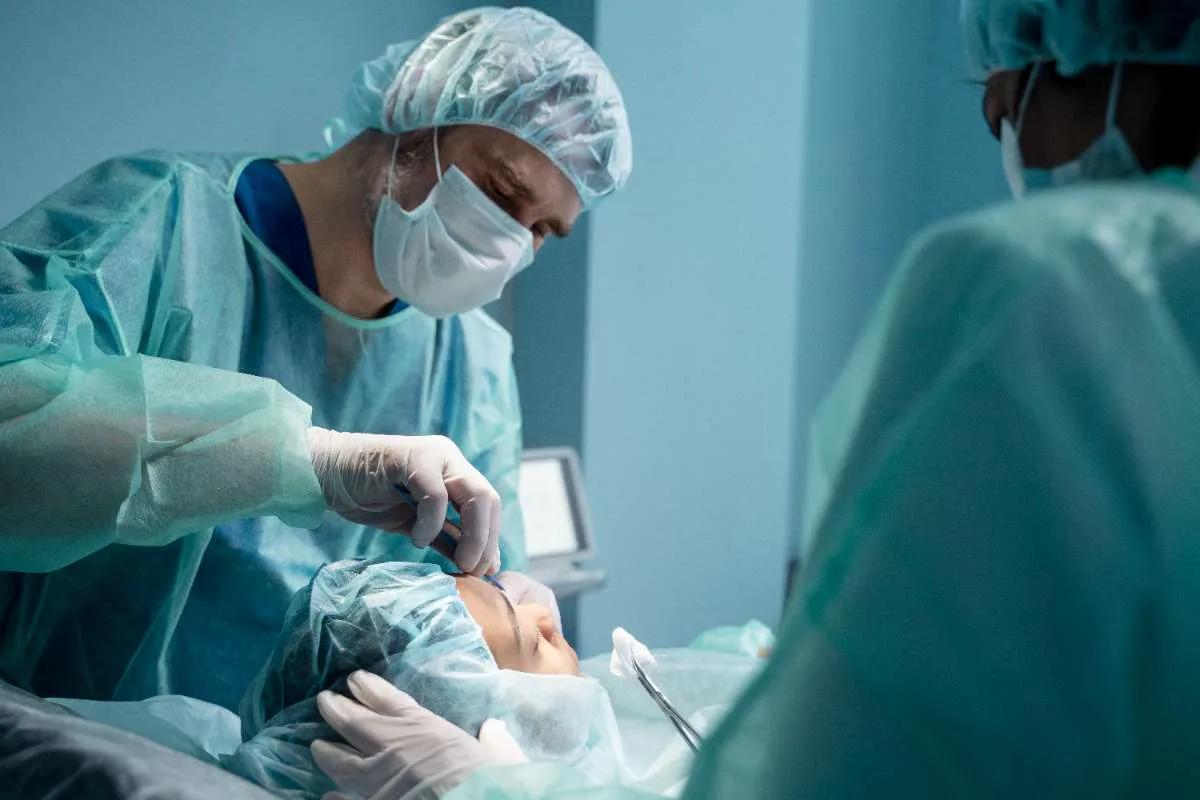
FESS is performed under general anaesthesia and takes roughly 60 to 120 minutes depending on how many sinus groups are involved. A high-definition endoscope through the nostril gives the surgeon a magnified view of the sinus openings on a monitor; every step happens inside the nose, so there are no external cuts, bruises or changes to facial appearance.

Using fine instruments and a microdebrider - a precision shaver that removes polyps and diseased tissue while sparing healthy lining - the surgeon widens each blocked natural opening and clears the diseased sinus contents. In complex or revision cases, computer image-guidance maps the instruments against your CT scan in real time for added safety near the eyes and skull base.

Modern dissolvable packing means the uncomfortable old-style ribbon packing is rarely needed. Most patients go home the same day or the following morning, breathing through the nose within days as the internal swelling settles.

Recovery & aftercare

  • Expect mild blood-tinged nasal discharge and blockage for the first week - this is normal healing
  • Start saline nasal rinses as instructed; they are the single most important part of aftercare
  • Do not blow your nose forcefully for the first week; sneeze with your mouth open
  • Avoid heavy lifting, straining and swimming for about two weeks
  • Use the prescribed nasal sprays regularly to keep inflammation and polyps from returning
  • Attend your free endoscopic cleaning follow-ups - they directly protect your surgical result

Why Axten

Care that doesn't stop at the operating table

Every fess (sinus surgery) package includes your surgeon's fee, OT and anaesthesia charges, hospital stay, standard medicines and post-procedure follow-ups - quoted once, in writing, before you decide.

  1. Talk with our experts

    Share your reports on a free call. A specialist reviews your case the same day.

  2. Honest fixed quote

    Receive one all-inclusive package price in writing - before you commit to anything.

  3. Insurance & paperwork

    Our insurance desk secures cashless approval and completes every formality.

  4. Your procedure

    A senior specialist operates at a partner hospital near you, on your scheduled date.

  5. Recovery & follow-ups

    Free follow-up consultations and recovery monitoring until you are fully healed.

The Axten standard

Why patients choose Axten for fess (sinus surgery)

For fess (sinus surgery), Axten focuses on the parts patients usually find stressful: confirming the right specialist, explaining the procedure clearly, locking the package price in writing and keeping recovery follow-ups organised.

NABHstandard partner hospitals
100%written package quotes
24x7care helpline access

Senior surgeon review

Your case is reviewed for clinical fit before a date or package is suggested.
One written package

Surgeon, OT, anaesthesia, stay, standard medicines and follow-ups are itemised upfront.

Insurance handled early

Cashless eligibility, TPA paperwork and EMI options are checked before admission.

Coordinator-led recovery

A care coordinator keeps follow-ups, reports and recovery instructions organised.

FAQs about fess (sinus surgery)

When is FESS surgery actually needed for sinusitis?

FESS is advised when chronic sinusitis persists beyond twelve weeks despite proper medical therapy - steroid sprays, saline rinses and appropriate antibiotics - or when nasal polyps, fungal sinusitis or blocked anatomy make medicines ineffective. It is also indicated for complications or frequent recurrent infections. Axten ENT surgeons always exhaust genuine medical treatment first; surgery is recommended only when it will truly help.

Is FESS painful? Will my face be swollen or bruised?

No cuts are made on the face, so there is no facial swelling, bruising or change in appearance. The surgery is done under general anaesthesia, and afterwards most patients describe pressure or blockage rather than real pain, managed with simple tablets for a few days. With modern dissolvable packing, the dreaded old experience of ribbon-pack removal is largely a thing of the past.

How long does recovery after sinus surgery take?

Most patients go home within twenty-four hours and return to desk work in three to five days. Expect blood-tinged discharge and stuffiness for a week or so while internal swelling settles. Breathing improves steadily over two to four weeks, and the sense of smell often recovers over one to three months. Saline rinses and follow-up endoscopic cleanings speed everything along.

Can sinusitis or polyps come back after FESS?

FESS gives lasting relief to the great majority, but chronic sinusitis with polyps is an inflammatory disease - surgery opens the drainage, while continued nasal sprays and allergy control keep inflammation suppressed. Without maintenance, polyps can regrow in a minority of patients over the years. Axten's free follow-up protocol, including endoscopic checks, catches any early regrowth when it is simply managed with sprays.

Is FESS safe? The sinuses are close to the eyes and brain.

In trained hands FESS is very safe. The CT scan provides a precise anatomical map, high-definition endoscopes give magnified vision, and in complex cases computer navigation tracks instruments in real time against your scan. Major complications involving the eye or skull base are rare. At Axten, only specialist endoscopic sinus surgeons operate, and your individual risk profile is explained honestly beforehand.

Will FESS cure my headaches?

If your headaches genuinely arise from blocked sinuses - typically facial pressure worsening on bending, alongside blockage and discharge - FESS usually relieves them well. However, many chronic headaches are actually migraine or tension-type, which surgery cannot fix. Axten surgeons correlate your symptoms with endoscopy and CT findings honestly, and will tell you plainly if your headache is unlikely to be sinus-related.

What is balloon sinuplasty, and is it better than FESS?

Balloon sinuplasty dilates blocked sinus openings with a small balloon, without removing tissue - quick recovery, but suitable only for limited disease of certain sinuses without polyps. FESS remains necessary when polyps, fungal debris or widespread disease must be physically cleared. They are complementary tools; your surgeon recommends whichever genuinely matches your CT findings, not the most expensive option.

Does insurance cover FESS, and what does Axten's package include?

Yes - FESS for chronic sinusitis is covered by virtually all health insurance policies, and our desk arranges cashless approval. The honest all-inclusive package covers surgeon and anaesthetist fees, endoscopic equipment and microdebrider charges, theatre, room, medicines, consumables and routine tests, with zero surprise billing. 0% EMI is available, and post-surgery endoscopic cleaning visits are free. Call 8156-92-92-92.

Ready to discuss fess (sinus surgery)?

Free specialist consultation and an honest all-inclusive quote - no obligation.