
Arthroscopic Ligament Repair (ACL Surgery)

ArthroscopicSpecialist surgeons onlyCashless insuranceFree follow-ups
ACL ligament injury assessment
Ligament Repair (ACL Surgery) - specialist-led treatment at Axten

Ligaments are strong bands of tissue that hold the knee stable. The anterior cruciate ligament (ACL) is the one most often torn - typically during sports, a sudden twist, a jump landing gone wrong, or a road accident. A tear often announces itself with a 'pop', immediate swelling, and later a knee that feels loose or 'gives way' during activity.

An ACL tear does not heal on its own because the ligament has a poor blood supply. In active people, an unstable knee leads to repeated giving-way episodes, each of which can damage the menisci (the knee's shock absorbers) and cartilage - setting the stage for early arthritis. Arthroscopic (keyhole) ACL reconstruction rebuilds the ligament and restores a stable, trustworthy knee.

At Axten Hospitals, ACL surgery is performed by specialist arthroscopy surgeons through keyhole incisions, usually with same-day or next-day discharge. Your honest all-inclusive package covers surgery, implants, stay and initial physiotherapy - supported by cashless insurance, 0% EMI, a dedicated care coordinator, free post-surgery follow-ups and zero surprise billing.

Honest all-inclusive price₹90,000 - ₹1,60,000 (all-inclusive, varies by graft, implants & meniscus work needed)See full cost breakdown

Consult for Ligament Repair (ACL Surgery)

Share your details - a care coordinator calls you back within minutes.

Country code +91 selected.

100% confidential · No spam · Honest all-inclusive quotes

Symptoms of Ligament Tear

  • A popping sound or sensation in the knee at the moment of injury
  • Rapid swelling of the knee within a few hours of the injury
  • The knee 'giving way' or buckling during walking, turning or sports
  • Pain and difficulty bearing full weight after the injury
  • A feeling of looseness or instability, especially on stairs or uneven ground
  • Reduced confidence in the knee, forcing you to give up sports or brisk activity

Risks of delaying treatment

  • Each giving-way episode can tear the menisci or shear the joint cartilage
  • Meniscus tears that were repairable early often become irreparable later, requiring removal
  • Cumulative cartilage damage sets the stage for arthritis at an unusually young age
  • Chronic instability forces you out of sports and active work, and muscles weaken steadily
Common causes of ACL ligament injuries
Understanding ligament tear

How is ligament tear diagnosed?

Your surgeon examines the knee with specific stability tests - such as the Lachman and pivot-shift tests - that reveal whether the ACL is torn and how loose the knee is. X-rays rule out fractures, and an MRI scan confirms the tear and, importantly, shows whether the menisci, cartilage or other ligaments are also injured, which is common.

Not every ACL tear needs surgery, and Axten's specialists will tell you honestly which group you fall into. Young, active patients and those with instability or associated meniscus tears usually benefit from reconstruction, while older, less active patients with stable knees may do well with structured physiotherapy alone.

Benefits of arthroscopic treatment

  • Keyhole surgery means tiny incisions, less pain and minimal scarring
  • Restores knee stability, ending the frightening giving-way episodes
  • Protects the menisci and cartilage from further damage and early arthritis
  • Day-care or single-night admission - back home within 24 hours for most patients
  • Structured rehab returns most patients to sport within 6-9 months
  • Meniscus tears can be repaired in the same sitting at no separate package cost

Types of ligament repair (acl surgery)

Non-surgical options

  • Structured physiotherapy - strengthening the thigh and hamstring muscles to compensate for the torn ligament in low-demand patients.
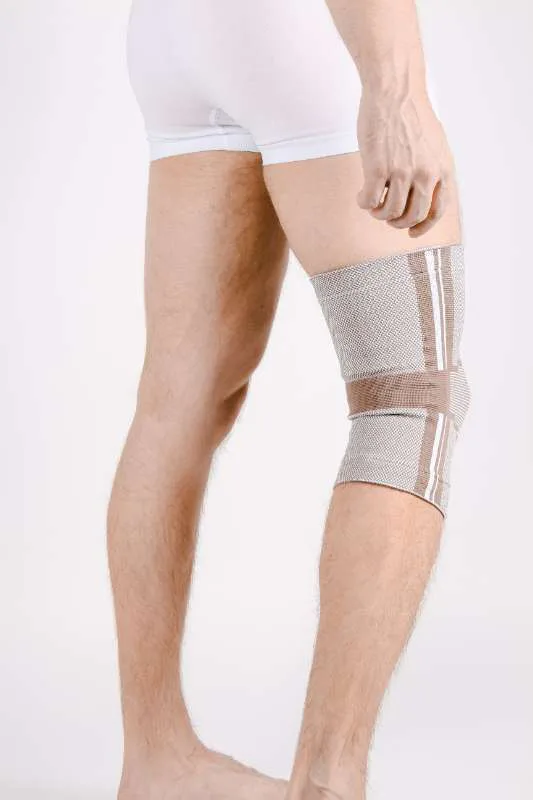
  • Bracing and activity modification - a functional knee brace and avoidance of pivoting sports for those managing without surgery.
  • RICE and pain management - rest, ice, compression and elevation in the initial weeks after injury while swelling settles.

Surgical & procedural options

  • Arthroscopic ACL reconstruction with hamstring graft - the torn ligament is rebuilt using the patient's own hamstring tendons; the most common technique.
  • ACL reconstruction with patellar tendon (BTB) or quadriceps graft - alternative graft choices suited to certain athletes and revision cases.
  • Meniscus repair or balancing - stitching or trimming torn menisci through the same keyholes during ACL surgery.
  • Multi-ligament reconstruction - staged or combined repair when the ACL is torn along with the PCL, MCL or other ligaments.
  • Revision ACL reconstruction - redo surgery for a re-torn or failed previous graft.

How the procedure is performed

ACL reconstruction is performed arthroscopically under spinal or general anaesthesia. Through two or three keyhole incisions, a slim camera lets the surgeon inspect the whole joint on a screen. The torn ligament remnants are cleared, and any meniscus tear found is repaired or balanced in the same sitting.

A graft - most commonly your own hamstring tendons taken through a small incision - is prepared and threaded through precisely drilled tunnels in the shin and thigh bones, exactly along the path of the original ACL. It is fixed securely at both ends with small titanium or bio-absorbable implants. The surgery takes about 60-90 minutes.

You walk with crutch support the same day, and most patients go home the same evening or the next morning with a clear week-by-week rehabilitation plan. The graft gradually transforms into a living ligament over the following months, which is why the structured physiotherapy programme - reviewed at your free Axten follow-ups - is as important as the surgery itself.

Recovery & aftercare

  • Walk with crutches and partial weight from day one, progressing as your physiotherapist guides you
  • Do the daily quadriceps and range-of-motion exercises sincerely - rehab quality decides the final result
  • Expect to walk without crutches by 2-3 weeks and return to desk work within 1-2 weeks
  • Jogging usually begins around 3 months, and pivoting sports after clearance at 6-9 months
  • Do not skip stages of the rehab protocol even if the knee feels strong early - the graft needs time to mature
  • Attend your free follow-up reviews so graft healing and muscle strength can be tracked objectively

Why Axten

Care that doesn't stop at the operating table

Every ligament repair (acl surgery) package includes your surgeon's fee, OT and anaesthesia charges, hospital stay, standard medicines and post-procedure follow-ups - quoted once, in writing, before you decide.

  1. Talk with our experts

    Share your reports on a free call. A specialist reviews your case the same day.

  2. Honest fixed quote

    Receive one all-inclusive package price in writing - before you commit to anything.

  3. Insurance & paperwork

    Our insurance desk secures cashless approval and completes every formality.

  4. Your procedure

    A senior specialist operates at a partner hospital near you, on your scheduled date.

  5. Recovery & follow-ups

    Free follow-up consultations and recovery monitoring until you are fully healed.

The Axten standard

Why patients choose Axten for ligament repair (acl surgery)

For ligament repair (acl surgery), Axten focuses on the parts patients usually find stressful: confirming the right specialist, explaining the procedure clearly, locking the package price in writing and keeping recovery follow-ups organised.

NABHstandard partner hospitals
100%written package quotes
24x7care helpline access

Senior surgeon review

Your case is reviewed for clinical fit before a date or package is suggested.
One written package

Surgeon, OT, anaesthesia, stay, standard medicines and follow-ups are itemised upfront.

Insurance handled early

Cashless eligibility, TPA paperwork and EMI options are checked before admission.

Coordinator-led recovery

A care coordinator keeps follow-ups, reports and recovery instructions organised.

FAQs about ligament repair (acl surgery)

Can an ACL tear heal on its own without surgery?

A complete ACL tear does not truly heal, because the ligament's blood supply is poor. Some partial tears and some low-demand patients manage well with muscle-strengthening physiotherapy alone. However, if your knee gives way during activity, surgery is usually advisable to prevent ongoing damage to the menisci and cartilage. Axten's specialists will examine you and advise honestly whether you genuinely need reconstruction.

Is ACL surgery done through keyholes? How big are the scars?

Yes. The entire reconstruction is done arthroscopically through two or three keyhole incisions of under a centimetre, plus a small 2-3 cm incision to take the hamstring graft. Scarring is minimal and fades with time. Keyhole surgery also means less pain, lower infection risk and a much faster recovery than the open ligament operations of the past.

What graft is used to rebuild the ACL, and is taking it harmful?

Most commonly, two of your own hamstring tendons are used - the remaining hamstrings compensate well, and long-term weakness is minimal. Patellar tendon or quadriceps grafts are chosen for certain athletes or revision cases. Using your own tissue means excellent healing with no rejection risk. Your Axten surgeon will explain which graft suits your age, sport and knee best.

How long before I can walk, work and play sports after ACL surgery?

You walk with crutch support the same day and typically discard crutches within two to three weeks. Desk work resumes in one to two weeks, two-wheeler riding around six to eight weeks, jogging near three months, and pivoting sports like football or badminton after strength testing at six to nine months. The graft needs this time to biologically mature - rushing it risks re-tear.

What happens if I keep playing with a torn ACL?

Every episode of the knee giving way grinds the menisci and cartilage. Studies consistently show that chronically unstable knees develop meniscus tears and early arthritis at much higher rates. A meniscus that could have been repaired early often becomes irreparable later. If you intend to stay active, timely reconstruction protects the long-term health of your knee - not just your sport.

What does ACL surgery cost at Axten Hospitals?

Arthroscopic ACL reconstruction at Axten typically costs between ₹90,000 and ₹1,60,000, depending on the graft, fixation implants and whether meniscus repair is needed. It is an honest, all-inclusive package - surgery, implants, anaesthesia, stay and initial physiotherapy - with zero surprise billing. Cashless insurance and 0% EMI are available. Call 8156-92-92-92 for a personalised estimate.

Is ACL reconstruction covered by insurance?

Yes, ACL reconstruction following an injury is covered by most Indian health insurance policies, and arthroscopic procedures are well recognised by insurers. Axten's insurance desk verifies your policy terms, secures cashless pre-authorisation and handles documentation end to end. If any portion is not covered, you are told the exact figure before surgery - never after it.

How successful is ACL surgery, and can the new ligament tear again?

ACL reconstruction restores stability in roughly nine out of ten patients, and most return to their previous activity level. The new ligament can re-tear, usually from a fresh significant injury or from returning to sport before the graft has matured - which is why completing the full rehabilitation protocol and passing strength testing before returning to sports is essential. Axten's free follow-ups track exactly that.

Ready to discuss ligament repair (acl surgery)?

Free specialist consultation and an honest all-inclusive quote - no obligation.