
Laparoscopic Uterus Removal (Hysterectomy)

LaparoscopicSpecialist surgeons onlyCashless insuranceFree follow-ups
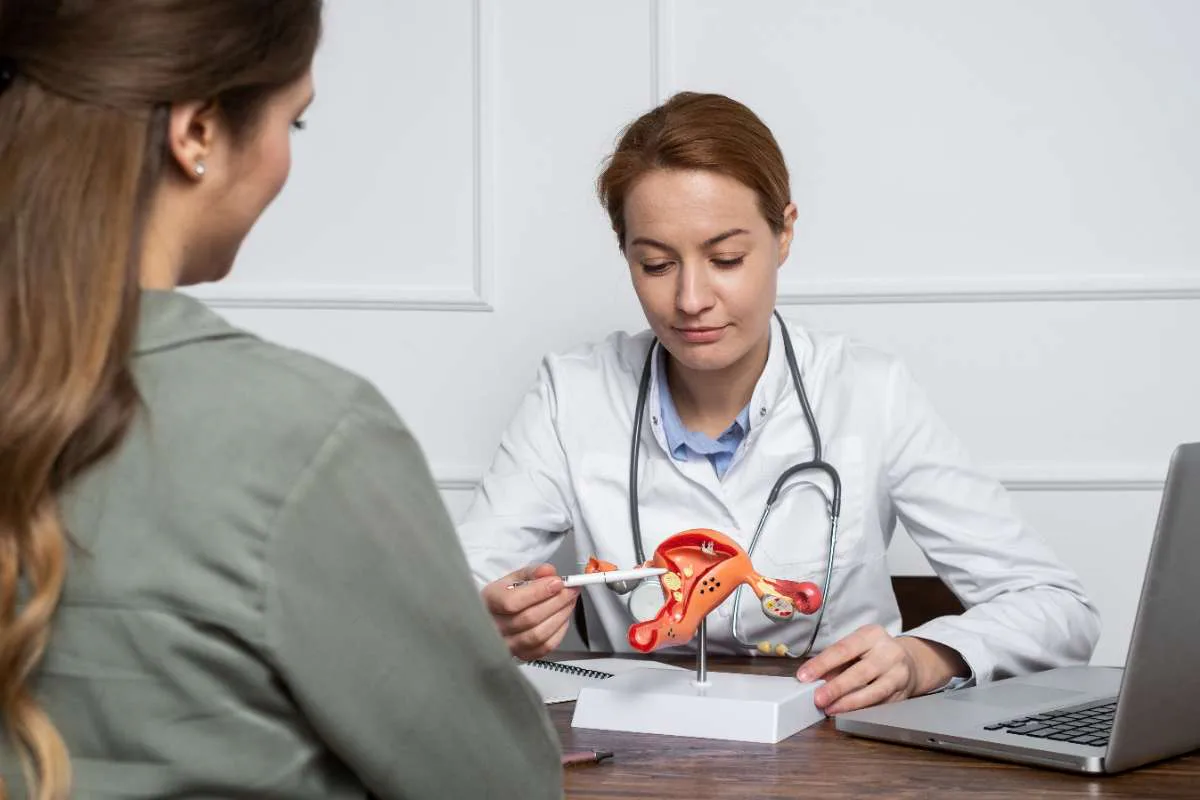
Hysterectomy consultation and treatment planning
Uterus Removal (Hysterectomy) - specialist-led treatment at Axten

Hysterectomy is the surgical removal of the uterus (womb). It is one of the most common gynaecological operations and is advised when conditions such as large fibroids, adenomyosis, severe abnormal bleeding, uterine prolapse or precancerous changes no longer respond to medicines. After a hysterectomy, periods stop permanently and pregnancy is no longer possible, so the decision is made carefully with your gynaecologist.

Laparoscopic (keyhole) hysterectomy removes the uterus through three or four tiny cuts of 5-10 mm, using a high-definition camera and slim instruments. Compared with traditional open surgery, this means far less pain, minimal blood loss, a one-to-two-day hospital stay and a return to routine within two to three weeks.

At Axten Hospitals, only specialist laparoscopic gynaec surgeons perform hysterectomies, and the all-inclusive package price is confirmed in writing before surgery - zero surprise billing, cashless insurance, 0% EMI and free post-surgery follow-ups included. A dedicated care coordinator handles paperwork and approvals so you can focus on recovery.

Honest all-inclusive price₹80,000 - ₹1,50,000 (all-inclusive, varies by uterus size, technique & city)See full cost breakdown

Consult for Uterus Removal (Hysterectomy)

Share your details - a care coordinator calls you back within minutes.

Country code +91 selected.

100% confidential · No spam · Honest all-inclusive quotes

Symptoms of Uterine Disorders

  • Heavy or prolonged menstrual bleeding causing anaemia and fatigue
  • Severe period pain or constant pelvic pain
  • A feeling of heaviness or a lump in the lower abdomen
  • Frequent urination or constipation from pressure of an enlarged uterus
  • Bleeding between periods or after menopause
  • Something 'coming down' the vagina in uterine prolapse
  • Pain during intercourse

Risks of delaying treatment

  • Continued heavy bleeding worsens anaemia, causing breathlessness, palpitations and constant exhaustion
  • Untreated fibroids or adenomyosis can enlarge, pressing on the bladder and bowel and making surgery more complex
  • Ignoring postmenopausal or irregular bleeding risks missing a precancerous or cancerous change at its curable stage
  • Advanced prolapse can cause urinary retention, infections and ulceration of exposed tissue

How is uterine disorders diagnosed?

Your gynaecologist begins with a detailed history and pelvic examination, followed by an ultrasound scan (abdominal or transvaginal) to measure the uterus and identify fibroids, adenomyosis or ovarian problems. Blood tests check haemoglobin, thyroid function and fitness for surgery, while a Pap smear screens the cervix.

Where needed, an endometrial biopsy or hysteroscopy examines the uterine lining to rule out precancerous changes, and MRI gives a precise map in complex cases. Hysterectomy is recommended only after medicines and uterus-preserving options have been considered and discussed with you.

Benefits of laparoscopic treatment

  • Tiny keyhole incisions instead of a long abdominal cut
  • Much less post-operative pain and minimal blood loss
  • Hospital stay of only one to two days in most cases
  • Return to daily activities within two to three weeks
  • Permanent relief from heavy bleeding, pain and anaemia
  • Barely visible scars and lower risk of wound infection or hernia

Types of uterus removal (hysterectomy)

Non-surgical options

  • Hormonal treatment - tablets or a hormone-releasing intrauterine device (IUD) to control heavy bleeding before considering surgery.
  • Tranexamic acid therapy - medicines taken during periods to reduce blood loss in suitable patients.

Surgical & procedural options

  • Total laparoscopic hysterectomy (TLH) - the uterus and cervix are removed entirely through keyhole incisions.
  • Subtotal (supracervical) hysterectomy - the uterine body is removed while the healthy cervix is retained.
  • Vaginal hysterectomy - the uterus is removed through the vagina, often preferred in uterine prolapse.
  • Open (abdominal) hysterectomy - reserved for very large uteri or complex disease unsuitable for keyhole surgery.
Laparoscopic assisted vaginal hysterectomy procedure
How uterus removal (hysterectomy) is performed

How the procedure is performed

Laparoscopic hysterectomy is performed under general anaesthesia, so you are asleep throughout. The abdomen is gently inflated with carbon-dioxide gas to create working space, and a slim telescope with a high-definition camera is introduced through a small cut near the navel.

Through two or three additional 5 mm incisions, the surgeon seals the blood vessels and supports of the uterus using advanced energy devices, then frees the uterus completely. Depending on the plan agreed with you, the ovaries may be preserved - which is usual before menopause - or removed if diseased.

The uterus is removed through the vagina or in small pieces through the keyhole ports, the vaginal cuff or port sites are stitched with dissolvable sutures, and the gas is released. The operation typically takes 1.5 to 2.5 hours, and most women walk the same evening and go home within 48 hours.

Recovery & aftercare

  • Walk from the first evening and increase activity gradually every day
  • Expect light vaginal spotting for a couple of weeks - use pads, not tampons
  • Avoid lifting anything heavier than 5 kg for four to six weeks
  • Eat a fibre-rich diet and drink plenty of water to prevent constipation and straining
  • Avoid sexual intercourse for about six weeks until the vaginal cuff heals fully
  • Attend free Axten follow-ups so healing, energy levels and any hormonal symptoms are reviewed

Why Axten

Care that doesn't stop at the operating table

Every uterus removal (hysterectomy) package includes your surgeon's fee, OT and anaesthesia charges, hospital stay, standard medicines and post-procedure follow-ups - quoted once, in writing, before you decide.

  1. Talk with our experts

    Share your reports on a free call. A specialist reviews your case the same day.

  2. Honest fixed quote

    Receive one all-inclusive package price in writing - before you commit to anything.

  3. Insurance & paperwork

    Our insurance desk secures cashless approval and completes every formality.

  4. Your procedure

    A senior specialist operates at a partner hospital near you, on your scheduled date.

  5. Recovery & follow-ups

    Free follow-up consultations and recovery monitoring until you are fully healed.

The Axten standard

Why patients choose Axten for uterus removal (hysterectomy)

For uterus removal (hysterectomy), Axten focuses on the parts patients usually find stressful: confirming the right specialist, explaining the procedure clearly, locking the package price in writing and keeping recovery follow-ups organised.

NABHstandard partner hospitals
100%written package quotes
24x7care helpline access

Senior surgeon review

Your case is reviewed for clinical fit before a date or package is suggested.
One written package

Surgeon, OT, anaesthesia, stay, standard medicines and follow-ups are itemised upfront.

Insurance handled early

Cashless eligibility, TPA paperwork and EMI options are checked before admission.

Coordinator-led recovery

A care coordinator keeps follow-ups, reports and recovery instructions organised.

FAQs about uterus removal (hysterectomy)

Will I reach menopause immediately after hysterectomy?

Only if both ovaries are removed. When the ovaries are preserved - the usual practice in younger women - they continue producing hormones, so you avoid sudden menopause, though periods stop permanently. If ovaries must be removed for a medical reason, your doctor discusses hormone-replacement options with you beforehand.

How many days will I stay in hospital?

Most laparoscopic hysterectomy patients stay one to two nights. Because keyhole incisions cause little pain, you walk the same evening, eat normally the next day and are usually fit for discharge within 48 hours. Open surgery, if ever needed, requires four to five days of hospital stay.

Is laparoscopic hysterectomy safe for a large uterus?

In experienced hands, yes. Specialist laparoscopic surgeons at Axten routinely operate on enlarged, fibroid uteri using advanced energy devices and controlled retrieval techniques. Very large uteri or suspected cancers may still need open surgery, and this assessment is made honestly during your pre-operative scan review.

Will hysterectomy affect my weight, skin or intimacy?

The operation itself does not cause weight gain or skin changes; preserved ovaries keep your hormones stable. Most women report unchanged or improved intimate life once pain and bleeding are gone, after the six-week healing period. Any hormonal symptoms that do appear can be managed easily at follow-up visits.

What is included in the Axten hysterectomy package?

One written price covers surgeon and anaesthetist fees, operation theatre, laparoscopic consumables, room stay, medicines during admission, histopathology testing of the removed uterus and routine post-surgery follow-ups. There is zero surprise billing, cashless insurance assistance and 0% EMI. Call 8156-92-92-92 to verify your policy coverage.

When can I return to work after laparoscopic hysterectomy?

Desk-based work is usually possible in two to three weeks, and physically demanding jobs in four to six weeks. Recovery is individual, so listen to your body and increase activity gradually. Your free follow-up consultations are the right place to confirm when driving, exercise and travel can resume.

Are there alternatives to removing the uterus?

Often, yes. Depending on your diagnosis, options include hormonal IUDs, bleeding-control medicines, endometrial ablation, fibroid removal (myomectomy) or uterine artery embolisation. Axten gynaecologists always discuss uterus-preserving alternatives first; hysterectomy is advised only when it is genuinely the most effective and lasting solution for you.

Ready to discuss uterus removal (hysterectomy)?

Free specialist consultation and an honest all-inclusive quote - no obligation.