
Day-Care Chemotherapy

Day-CareSpecialist surgeons onlyCashless insuranceFree follow-ups
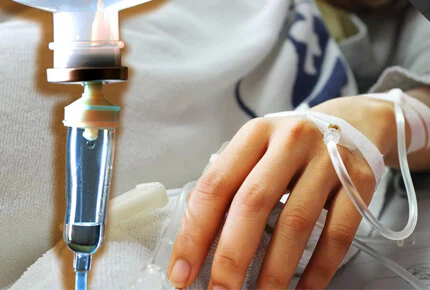
Illustration explaining day-care chemotherapy
Chemotherapy (Day Care) - specialist-led treatment at Axten

Chemotherapy is the use of specialised medicines to destroy cancer cells or stop them from multiplying. It is one of the most well-established and effective pillars of cancer care, used either on its own or alongside surgery and radiation. Depending on your cancer type and stage, chemotherapy may be given to cure the disease, shrink a tumour before surgery, or keep the cancer under control and relieve symptoms.

At Axten Hospitals, most chemotherapy sessions are given as day-care treatment. You come in the morning, receive your medicines in a calm, comfortable infusion lounge under the supervision of specialist medical oncologists and trained oncology nurses, and go home the same evening. There is no overnight admission for routine cycles, which means less disruption to your family life and lower overall cost.

Modern chemotherapy is far gentler than most people imagine. Newer drugs, precise dose calculations and effective anti-nausea medicines mean many patients continue working and caring for their families through treatment. Your Axten care coordinator plans every cycle in advance, so you always know your schedule, your medicines and your all-inclusive cost - with zero surprise billing.

Honest all-inclusive price₹15,000 - ₹80,000 per cycle (all-inclusive, varies by drug protocol, cancer type & city)See full cost breakdown

Consult for Chemotherapy (Day Care)

Share your details - a care coordinator calls you back within minutes.

Country code +91 selected.

100% confidential · No spam · Honest all-inclusive quotes

Symptoms of Cancer

  • A lump or swelling that does not go away
  • Unexplained weight loss or loss of appetite
  • Persistent tiredness that rest does not improve
  • A sore, ulcer or wound that does not heal
  • Unusual bleeding or discharge
  • A long-standing change in bowel or bladder habits
  • A persistent cough or change in voice

Risks of delaying treatment

  • Cancer cells can continue to multiply, allowing the disease to grow or spread to other organs
  • A tumour that was operable may become larger and harder to remove completely
  • Delaying planned cycles can reduce the overall effectiveness of the treatment protocol
  • Symptoms such as pain, bleeding or fatigue often worsen, making later treatment more difficult

How is cancer diagnosed?

Before chemotherapy is planned, your cancer is first confirmed and staged. This usually involves a biopsy (a small tissue sample examined under a microscope), blood tests, and imaging such as ultrasound, CT, MRI or PET-CT scans. These tests tell your oncologist exactly what type of cancer you have, where it is, and whether it has spread.

Your medical oncologist then designs a personalised chemotherapy protocol - which drugs, what dose, how many cycles and how often. Before every cycle, simple blood tests check that your body is ready for the next dose. At Axten, all reports are explained to you in plain language, and your care coordinator keeps your complete file organised.

Benefits of day-care treatment

  • Go home the same day - no overnight hospital stay for routine cycles
  • Treatment planned and supervised by specialist medical oncologists only
  • Effective anti-nausea and supportive medicines keep side effects manageable
  • Fixed, all-inclusive per-cycle pricing with zero surprise billing
  • Cashless insurance and 0% EMI options ease the financial burden
  • Dedicated care coordinator schedules every cycle and follow-up for you

Types of chemotherapy (day care)

Non-surgical options

  • Neoadjuvant chemotherapy - given before surgery to shrink a tumour and make the operation easier and safer.
  • Adjuvant chemotherapy - given after surgery to destroy any remaining cancer cells and reduce the chance of recurrence.
  • Palliative chemotherapy - given to control cancer growth and relieve symptoms when a cure is not the goal.
  • Targeted therapy and immunotherapy - newer medicines that attack specific cancer features, often with fewer side effects.

Surgical & procedural options

  • Chemoport (port-a-cath) placement - a small device placed under the skin in a short procedure so repeated infusions are painless and vein-friendly.
  • PICC line insertion - a thin, long-term intravenous line placed in the arm for patients needing frequent infusions.
Recovery and supportive care after chemotherapy
Recovery after chemotherapy (day care)

How the procedure is performed

On the day of your cycle, you arrive at the day-care oncology unit where your vital signs and blood reports are reviewed by the oncology team. Once your oncologist gives the go-ahead, pre-medicines are given first - these prevent nausea and allergic reactions and are a routine part of every session.

The chemotherapy drugs are then given slowly through a vein, either via a simple intravenous line or through a chemoport if one has been placed. Most sessions take between one and four hours depending on your protocol. No anaesthesia is needed - you can read, listen to music, rest or chat with your attendant throughout the infusion.

After the infusion, you are observed for a short period, given your take-home medicines and clear written instructions, and discharged the same day. Your next cycle, blood tests and doctor review are scheduled before you leave, so you never have to chase appointments.

Recovery & aftercare

  • Drink plenty of fluids for 2-3 days after each cycle to help flush the medicines through your system
  • Take the prescribed anti-nausea and supportive medicines on time, even if you feel well
  • Eat small, frequent, freshly cooked meals; avoid raw or street food while your immunity is lower
  • Wash hands often and avoid crowded places for a few days after each cycle to reduce infection risk
  • Report fever above 100.4°F (38°C), severe vomiting or unusual bleeding to your care team immediately
  • Light activity and short walks are encouraged - most patients resume routine work between cycles

Why Axten

Care that doesn't stop at the operating table

Every chemotherapy (day care) package includes your surgeon's fee, OT and anaesthesia charges, hospital stay, standard medicines and post-procedure follow-ups - quoted once, in writing, before you decide.

  1. Talk with our experts

    Share your reports on a free call. A specialist reviews your case the same day.

  2. Honest fixed quote

    Receive one all-inclusive package price in writing - before you commit to anything.

  3. Insurance & paperwork

    Our insurance desk secures cashless approval and completes every formality.

  4. Your procedure

    A senior specialist operates at a partner hospital near you, on your scheduled date.

  5. Recovery & follow-ups

    Free follow-up consultations and recovery monitoring until you are fully healed.

The Axten standard

Why patients choose Axten for chemotherapy (day care)

For chemotherapy (day care), Axten focuses on the parts patients usually find stressful: confirming the right specialist, explaining the procedure clearly, locking the package price in writing and keeping recovery follow-ups organised.

NABHstandard partner hospitals
100%written package quotes
24x7care helpline access

Senior surgeon review

Your case is reviewed for clinical fit before a date or package is suggested.
One written package

Surgeon, OT, anaesthesia, stay, standard medicines and follow-ups are itemised upfront.

Insurance handled early

Cashless eligibility, TPA paperwork and EMI options are checked before admission.

Coordinator-led recovery

A care coordinator keeps follow-ups, reports and recovery instructions organised.

FAQs about chemotherapy (day care)

Is chemotherapy painful?

The infusion itself is not painful - it feels like an ordinary intravenous drip. If you need many cycles, a chemoport can be placed under the skin so you avoid repeated needle pricks. Some patients feel tiredness, mild nausea or mouth soreness in the days after a cycle, but modern supportive medicines control these side effects very well for most people.

Will I definitely lose my hair during chemotherapy?

Not always. Hair loss depends entirely on which drugs are used - some protocols cause significant hair loss, others cause little or none. Your oncologist will tell you honestly what to expect before treatment begins. Importantly, hair loss from chemotherapy is temporary, and hair almost always grows back within a few months of completing treatment.

How many chemotherapy cycles will I need?

It varies with the type and stage of cancer and the goal of treatment. Most curative protocols involve 4 to 8 cycles given every one to three weeks, but your oncologist will give you a personalised plan. At Axten, the full schedule and the all-inclusive per-cycle cost are explained upfront, so you can plan your time and finances with confidence.

Can I work and travel between chemotherapy cycles?

Many patients do. Energy levels usually dip for a few days after each cycle and then recover, so most people manage office work, household duties and short travel between cycles. Your oncologist will advise you on precautions, especially around infection risk on days when your blood counts are low. Day-care chemotherapy at Axten is designed to fit around your life.

Is day-care chemotherapy as safe as inpatient chemotherapy?

Yes, for the vast majority of protocols. Day-care chemotherapy at Axten is delivered in a fully equipped oncology unit with specialist oncologists, trained chemo nurses and emergency support on site. You are monitored throughout the infusion and observed before discharge. Only certain high-intensity regimens or medically fragile patients need overnight admission, and your doctor will tell you clearly if that applies to you.

What does chemotherapy cost at Axten Hospitals?

Most day-care chemotherapy cycles at Axten cost between ₹15,000 and ₹80,000 per cycle, depending on the drugs in your protocol. This is an honest, all-inclusive price covering medicines, consumables, nursing and day-care charges - with zero surprise billing. Cashless insurance is accepted and 0% EMI plans are available. Call 8156-92-92-92 for an exact estimate for your protocol.

Does insurance cover chemotherapy?

Yes. Chemotherapy, including day-care chemotherapy, is covered by virtually all health insurance policies in India, and day-care treatment is specifically recognised under IRDAI guidelines. Axten's insurance desk arranges cashless approval before each cycle and handles the paperwork for you, so you can focus on getting better rather than on documentation.

What happens after I finish all my chemotherapy cycles?

After your final cycle, your oncologist plans a follow-up schedule with periodic check-ups, blood tests and scans to confirm the cancer remains under control. At Axten, post-treatment follow-up consultations are free, and your dedicated care coordinator reminds you of every appointment - because finishing treatment is the beginning of long-term care, not the end of our responsibility.

Ready to discuss chemotherapy (day care)?

Free specialist consultation and an honest all-inclusive quote - no obligation.