
Senior surgeon review
Your case is reviewed for clinical fit before a date or package is suggested.
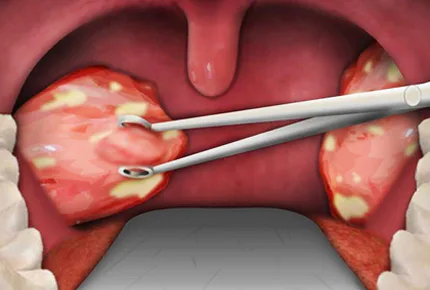
The tonsils are two soft tissue pads at the back of the throat, and the adenoids sit higher up, behind the nose. Both are part of the body's immune tissue, but when they become repeatedly infected (tonsillitis) or abnormally enlarged (adenoid hypertrophy), they cause more harm than good - recurrent sore throats, mouth breathing, snoring, disturbed sleep, ear infections and missed school or work days, especially in children between three and twelve years.
When infections keep returning despite adequate antibiotics, or enlarged tissue obstructs breathing and sleep, surgical removal - tonsillectomy and/or adenoidectomy - gives lasting relief. Modern coblation technology removes the tissue at low temperature using radiofrequency energy in saline, which means far less heat injury, noticeably less pain, minimal bleeding and a faster return to eating and school compared with older cautery methods.
At Axten Hospitals, tonsil and adenoid surgery is performed only by specialist ENT surgeons experienced in paediatric care. Parents receive one all-inclusive Fixed Honest Price with zero surprise billing, cashless insurance processing, 0% EMI options, a dedicated care coordinator and free post-surgery follow-ups until your child is eating, sleeping and playing normally.
Share your details - a care coordinator calls you back within minutes.
Diagnosis is primarily clinical: the ENT surgeon examines the throat to grade tonsil size and looks for signs of chronic infection, while the adenoids - hidden behind the nose - are assessed with a small nasal endoscope or a lateral neck X-ray. The pattern and frequency of infections over the past one to three years is carefully documented, since this decides whether surgery is genuinely justified.
When sleep symptoms dominate, the child is screened for obstructive sleep apnoea, and hearing is tested with tympanometry or audiometry if there are repeated ear complaints, because adenoid enlargement commonly causes middle-ear fluid. Routine blood tests before surgery confirm fitness for anaesthesia.

Tonsil and adenoid surgery is performed under general anaesthesia and takes about 30-45 minutes. The entire operation is done through the open mouth - there are no cuts or scars on the face or neck. A paediatric anaesthesia team monitors your child throughout, and parents are kept informed at every step.
The coblation wand uses radiofrequency energy passed through a saline layer to dissolve tonsil and adenoid tissue at around 40-70°C - far cooler than electric cautery, which chars tissue at several hundred degrees. This low-temperature precision protects the surrounding throat muscles, which is exactly why coblation patients hurt less and eat sooner. Bleeding points are sealed as the surgeon works.
Children are usually observed overnight and discharged the next morning eating soft foods; many centres send older children home the same evening. Adults undergo the identical procedure with equally smooth recovery.
Why Axten
Every tonsils / adenoids treatment package includes your surgeon's fee, OT and anaesthesia charges, hospital stay, standard medicines and post-procedure follow-ups - one Fixed Honest Price, in writing, before you decide.
Share your reports on a free call (8156-92-92-92). A specialist reviews your case the same day.
Receive one all-inclusive package price in writing - before you commit to anything.
Our insurance desk secures cashless approval and completes every formality.
A senior specialist operates at a partner hospital near you, on your scheduled date.
Free follow-up consultations and recovery monitoring until you are fully healed.
The Axten standard
For tonsils / adenoids treatment, Axten focuses on the parts patients usually find stressful: confirming the right specialist, explaining the procedure clearly, locking the package price in writing and keeping recovery follow-ups organised.
Your case is reviewed for clinical fit before a date or package is suggested.
Surgeon, OT, anaesthesia, stay, standard medicines and follow-ups are itemised upfront.
Cashless eligibility, TPA paperwork and EMI options are checked before admission.
A care coordinator keeps follow-ups, reports and recovery instructions organised.
Free specialist consultation and your Fixed Honest Price - no obligation.