
Advanced Facelift Surgery

AdvancedSpecialist surgeons onlyCashless insuranceFree follow-ups
Facelift surgery consultation
Facelift Surgery - specialist-led treatment at Axten

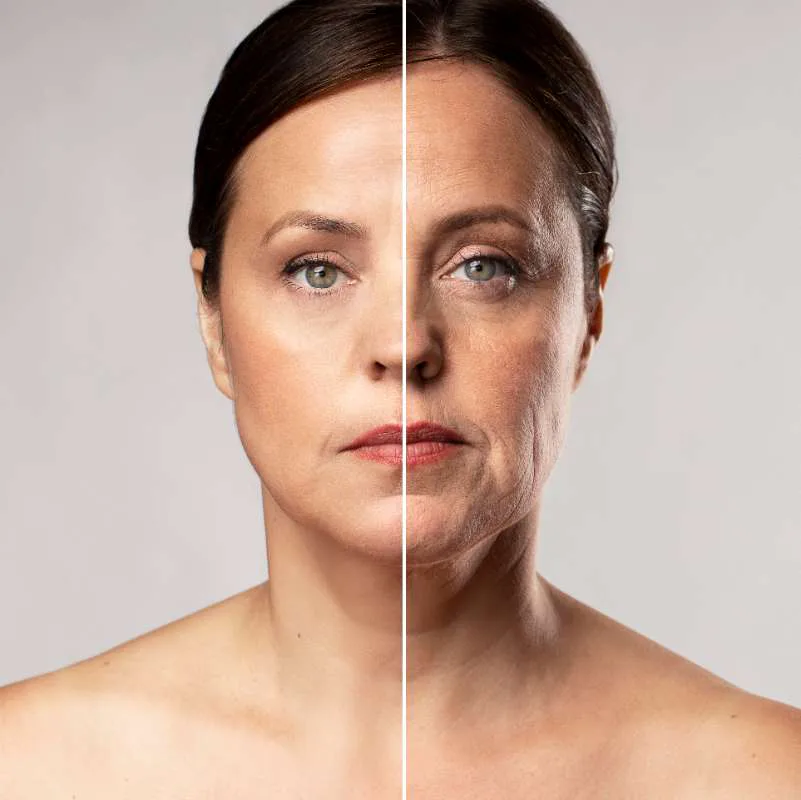
Facial ageing is a gradual, layered process: skin loses collagen and elasticity, the deeper supporting tissue (the SMAS layer) slackens, facial fat pads deflate and descend, and even bone volume recedes. The visible results are sagging jowls that blur the jawline, deep nasolabial folds beside the mouth, loose neck skin and vertical neck bands - changes that creams and facials cannot reverse once laxity is established.

A facelift (rhytidectomy) is the definitive treatment for moderate to advanced facial ageing. Modern facelifts do far more than pull skin: they lift and reposition the deeper SMAS layer, restoring the jawline, midface and neck to their youthful position, then redrape the skin without tension. This deep-plane philosophy is why today's results look natural and rested - never tight or windblown - and last around a decade.

At Axten Hospitals, facelifts are performed exclusively by specialist plastic surgeons, often combined with neck lift, fat grafting or eyelid surgery for balanced rejuvenation. Your consultation ends with one honest, all-inclusive quote - zero surprise billing - plus 0% EMI options, a dedicated care coordinator and free post-surgery follow-ups until your result fully matures.

Honest all-inclusive price₹1,50,000 - ₹4,00,000 (all-inclusive, varies by extent of lift & city)See full cost breakdown

Consult for Facelift Surgery

Share your details - a care coordinator calls you back within minutes.

Country code +91 selected.

100% confidential · No spam · Honest all-inclusive quotes

Symptoms of Facial Ageing

  • Sagging jowls blurring the jawline
  • Deep folds running from the nose to the corners of the mouth
  • Loose, hanging skin under the chin and neck ('turkey neck')
  • Vertical muscle bands on the front of the neck
  • Flattened, descended cheeks with hollowing under the eyes
  • Marionette lines pulling the mouth corners downward
  • Looking older or more tired than you feel

Risks of delaying treatment

  • A facelift is elective - but skin laxity and jowling progress steadily, and more advanced sagging needs more extensive surgery for the same result
  • Repeated temporary treatments (threads, fillers, energy devices) for significant laxity cost more cumulatively while delivering diminishing returns
  • Severe sun damage and continued smoking degrade skin quality, narrowing future surgical options and healing capacity
  • A persistently aged, tired appearance can affect professional confidence and emotional wellbeing when it no longer matches how you feel inside

How is facial ageing diagnosed?

Facelift planning is a clinical, artistic assessment rather than a lab diagnosis. Your plastic surgeon analyses each layer of your face: skin quality and sun damage, volume loss in the cheeks and temples, the degree of jowling and SMAS laxity, neck muscle banding and the amount of loose skin. Photographs from standard angles document the starting point, and a gentle upward lift in the mirror previews the achievable change.

Your general health is then evaluated - blood tests, ECG and anaesthesia fitness - with particular attention to blood pressure control, smoking (which must stop at least four weeks before surgery, as it impairs skin healing) and any blood-thinning medicines. The surgeon then recommends the right depth of procedure: a mini-lift, full facelift, neck lift or a combination with fat grafting or eyelid surgery.

Benefits of advanced treatment

  • Restores a defined jawline, lifted cheeks and a smooth neck
  • Natural, rested result - modern deep-plane techniques avoid the 'pulled' look
  • Turns the clock back roughly 8-12 years in one procedure
  • Results last about a decade; you continue to look younger than untreated ageing
  • Incisions hidden along the hairline and around the ears
  • Renewed confidence in photographs, work and social life

Types of facelift surgery

Non-surgical options

  • Botulinum toxin and fillers - soften lines and restore volume; excellent for early ageing but cannot lift sagging tissue.
  • Thread lift - dissolvable barbed threads give a modest lift lasting 1-2 years, suited to mild laxity.
  • Energy-based tightening (HIFU/radiofrequency) - stimulates collagen for gradual, subtle firming in early laxity.

Surgical & procedural options

  • Mini facelift (short-scar) - shorter incisions targeting early jowls in younger patients, with faster recovery.
  • SMAS facelift - the standard full facelift that tightens the deeper SMAS layer for durable, natural rejuvenation of the lower face and neck.
  • Deep-plane facelift - releases and repositions the SMAS and midface as one unit, giving the most natural lift of cheeks, jowls and folds.
  • Neck lift (platysmaplasty) - tightens the neck muscle bands and removes loose skin, often combined with a facelift.
  • Facial fat grafting - your own purified fat restores youthful volume to cheeks, temples and under-eyes alongside the lift.
Facelift surgery procedure illustration
How facelift surgery is performed

How the procedure is performed

A facelift at Axten is performed under general anaesthesia, or deep sedation with local anaesthesia for limited lifts, and takes about 3-5 hours depending on whether the neck and eyelids are included. Incisions are designed to disappear: they start within the hairline at the temple, curve naturally around the front of the ear, tuck behind the ear cartilage and end in the hairline behind the ear.

The surgeon lifts the skin, then addresses the true engine of the facelift - the SMAS layer. It is tightened, folded or, in deep-plane techniques, fully released and repositioned upward, carrying the cheek, jowl and neck tissues back to their youthful position. Neck bands are stitched together through a small hidden incision under the chin, and excess fat is sculpted. Only then is skin redraped and trimmed - without tension, which is the secret to invisible scars and a natural look.

Fine sutures close the incisions, a soft supportive dressing is applied, and small drains (if used) are removed the next morning. Most patients stay one night and go home the following day. Sutures come out in stages between days 5 and 10 during your free follow-up visits.

Recovery & aftercare

  • Sleep with your head elevated for two weeks and avoid bending or straining, which increase swelling
  • Expect swelling and bruising for 2-3 weeks; most patients are socially presentable by day 14
  • Wear the soft facial support garment as advised, typically for the first 1-2 weeks
  • Avoid strenuous exercise for 4 weeks and saunas or facials for 6 weeks
  • Do not smoke - nicotine seriously impairs skin healing after a facelift
  • Numbness of the cheeks settles over weeks; the final refined result matures at 3-6 months, tracked at free Axten follow-ups

Why Axten

Care that doesn't stop at the operating table

Every facelift surgery package includes your surgeon's fee, OT and anaesthesia charges, hospital stay, standard medicines and post-procedure follow-ups - quoted once, in writing, before you decide.

  1. Talk with our experts

    Share your reports on a free call. A specialist reviews your case the same day.

  2. Honest fixed quote

    Receive one all-inclusive package price in writing - before you commit to anything.

  3. Insurance & paperwork

    Our insurance desk secures cashless approval and completes every formality.

  4. Your procedure

    A senior specialist operates at a partner hospital near you, on your scheduled date.

  5. Recovery & follow-ups

    Free follow-up consultations and recovery monitoring until you are fully healed.

The Axten standard

Why patients choose Axten for facelift surgery

For facelift surgery, Axten focuses on the parts patients usually find stressful: confirming the right specialist, explaining the procedure clearly, locking the package price in writing and keeping recovery follow-ups organised.

NABHstandard partner hospitals
100%written package quotes
24x7care helpline access

Senior surgeon review

Your case is reviewed for clinical fit before a date or package is suggested.
One written package

Surgeon, OT, anaesthesia, stay, standard medicines and follow-ups are itemised upfront.

Insurance handled early

Cashless eligibility, TPA paperwork and EMI options are checked before admission.

Coordinator-led recovery

A care coordinator keeps follow-ups, reports and recovery instructions organised.

FAQs about facelift surgery

Will a facelift make me look unnatural or 'pulled'?

Not with modern techniques. The tight, windblown look came from old skin-only lifts. Today's SMAS and deep-plane facelifts lift the deeper support layer and redrape the skin without tension, so you look like a fresher, younger version of yourself. Friends typically notice you look great without guessing you had surgery.

How long does a facelift last?

A well-performed SMAS or deep-plane facelift lasts around 8-12 years. Ageing continues naturally, but you remain permanently 'ahead' - looking younger than you would have without surgery. Sun protection, a stable weight, not smoking and good skincare all help preserve the result for longer.

What is the best age for a facelift?

There is no fixed age - it depends on tissue laxity. Most patients are between 45 and 65, when jowls and neck laxity become established. Younger patients with early sagging may do well with a mini-lift, while healthy patients in their 70s can safely undergo surgery after proper fitness evaluation at Axten.

Where are the facelift scars, and will they show?

Incisions are hidden in the hairline at the temple, in the natural creases around the ear, and behind the ear. Because the deeper layer takes all the tension, the skin heals without stretch, and mature scars are extremely difficult to spot - even with hair tied back. Scar care guidance is part of your free follow-ups.

Is facelift recovery very painful?

Surprisingly, no. Most patients describe tightness and numbness rather than pain, controlled with simple painkillers for the first few days. The main recovery task is patience with swelling and bruising, which settle over two to three weeks. Most people return to desk work and social life by the two-week mark.

What does a facelift cost in India?

At Axten Hospitals, facelift surgery costs about ₹1,50,000 to ₹4,00,000 all-inclusive, depending on whether you need a mini-lift, a full face-and-neck lift, or combined procedures like eyelid surgery and fat grafting. The quote is honest and final - zero surprise billing - with 0% EMI available. Call 8156-92-92-92 for a personalised assessment.

Can a facelift be combined with other procedures?

Yes, and it often should be, for balanced results. Common combinations include a neck lift, upper and lower blepharoplasty, brow lift, facial fat grafting and skin resurfacing. Combining procedures under one anaesthesia means a single recovery period and better overall harmony. Your Axten surgeon will design a plan tailored to your face.

Are threads or fillers a good alternative to a facelift?

For early, mild laxity - yes, they postpone the need for surgery. But once jowls and neck sagging are established, no non-surgical treatment can genuinely lift them; results look subtle and fade within one to two years. A facelift remains the only treatment that repositions sagging tissue with results lasting about a decade.

Ready to discuss facelift surgery?

Free specialist consultation and an honest all-inclusive quote - no obligation.